
06/06/2026
Point de situation 2026 sur les pansements hémostatiques
------------
Un petit pavé qui fait un point sur les pansements hémostatiques dont on mesure la complexité
------------
Hemostatic materials are essential to control bleeding, promoting wound healing, and reducing complications across a wide range of medical applications, including surgical procedures, trauma care, and minimally invasive interventions. But commercial hemostatic materials still possess several disadvantages. Therefore, the development of safe, effective, and user-friendly hemostatic materials remains a critical goal. Recent advances led to the development of different hemostatic agents, including inorganic materials (kaolin, silica, and zeolites), biobased polymers (polysaccharides, chitosan, alginate, cellulose, starch, and hyaluronic acid), peptides (short amino acid chains), proteins (fibrin, gelatin, and collagen), synthetic polymers (polyethylene glycol and polyvinyl alcohol), and hybrid systems combining inorganic and organic components. These materials were engineered into a range of functional forms, including nanofibers, gels (aerogels and hydrogels), sponges (foams), dressings (gauzes, films, membranes), powders (nanoparticles), and injectable solutions. This review presents the mechanisms of action, characterization methods, and global market status, as well as the material and morphological classifications of hemostatic materials, along with commercial products and research developments. Recent findings and key challenges are also reviewed, including hemostatic performance metrics (clotting time and blood loss), as well as material properties (biocompatibility, biodegradability, antibacterial activity, and toxicity). Finally, recent innovations and trends are discussed.
-------------
"The next generation of HM should meet the following key performance criteria: 1) Be applicable directly to various types of wounds with rapid clotting time. 2) Be cost-effective, scalable, and batch-consistent. 3) Have extended shelf life, be easy to transport, and require minimal storage conditions. 4) Be completely biodegradable or easily removable without triggering pain or bleeding. 5) Avoid inflammatory degradation by-products. 6) Support cell proliferation, anti-inflammation, and tissue regeneration"
26/02/2026
Stabilisation pelvienne par garrot tourniquet: Parait OK
30/11/2025
Garrot et grand froid: Possible ? ET bien OUI
Tourniquet self-application assessment in cold
weather conditions
Benítez YC et al. BMC Emergency Medicine (2023) 23:101
----------------------------
Le chox d'un garrot tactique n'est pas simple. Le CAT et le SOF-T sont parmi les plus répanduS. LE CoTCCC a évalué ses tourniquets et fait quelques propositions (1). Ces dernières ne prennet pas en compte certains besoins spécifiques comme leur emploi en zone grand froid ou en milieu maritime salin. C'est ce que propose de faire ce travail. Deux remarques: le SOFT-T ne fait pas partie des dispositifs testés. Le garrot OMNA semble être celui dont l'emploi est le plus facile dans ce contexte. Il ne s'agit pas d'un tourniquet mais d'un garrot à crématillère.
----------------------------
Background
Our study aimed to assess the ability of nonmedical civilians to self-apply extremity tourniquets in coldv weather conditions while wearing insulating technical clothing after receiving basic training.
Methods
A field study was conducted among 37 voluntary participants of an expedition party to the Spanish Antarctic base. The researchers assessed the participant’s ability to self-apply five commercial extremity tourniquets (CAT, OMNA, RMT, SWAT-T, and RATS) over cold-weather clothing and their achieved effectiveness for vascular occlusion. Upper extremity self-application was performed with a single-handed technique (OHT), and lower extremity applying a two-handed technique (THT). Perceptions of self-application ease mean values±standard
deviation (SD) were compared by applying a 5% statistical significance threshold. Frequency count determined tourniquet preference.
Results
All the tested ETs, except the SWAT-T, were properly self-applied with an OHT, resulting in effective vascular occlusion in the upper extremity. The five devices tested were self-applied correctly in the lower extremities using THT.
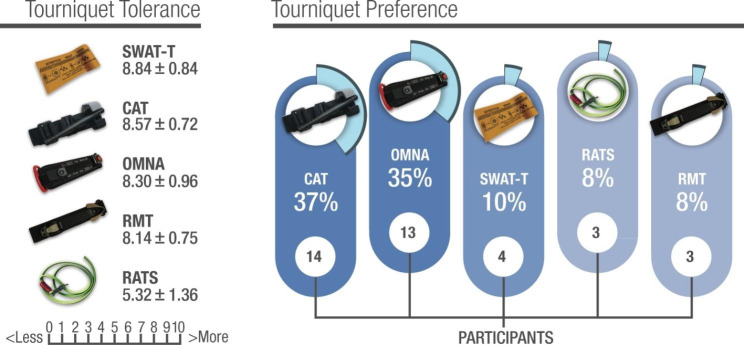
The ratcheting marine-designed OMNA ranked the highest for application easiness on both the upper and lower extremities, and the windlass CAT model was the preferred device by most participants.
Conclusions
Civilian extremity tourniquet self-application on both upper and lower extremities can be
accomplished in cold weather conditions despite using cold-weather gloves and technical clothing after receiving brief training. The ratcheting marine-designed OMNA ranked the highest for application ease, and the windlass CAT model was the preferred device
26/11/2025
Réchauffement cutané acif: Attention
Methods:
each test.
Results:

Conclusions:
04/07/2025
Stabilisation pelvienne: Deux tourniquets font très bien
Assessment of proprietary and improvised pelvic binders: time to application and displacement during casualty evacuation
Howe TJ, et al. BMJ Mil Health 2025;0:1–5.
Introduction
Pelvic injuries resulting from high-energy trauma have an approximately 10% mortality rate. Suspected pelvic injuries are treated with pelvic binders to stabilise fractured bones and promote tamponade until surgical treatment. The effectiveness of pelvic binders in reducing mortality risk depends on accurate positioning of the binder. This study quantifies the ability of proprietary and improvised pelvic binders to maintain their positioning during a simulated casualty evacuation.
Methods
One improvised and three proprietary pelvic binders were tested in their ability to maintain their initial placement. Combat Medical Technicians applied binders to healthy subjects and then performed a simulated casualty evacuation. The time taken to apply each binder was measured. The evacuation consisted of: 20 m casualty drag, transfer onto a soft stretcher, 100 m evacuation on a soft stretcher, transfer onto a rigid stretcher and transfer into a field ambulance. Binder placement was measured using bony landmarks after the initial positioning and after each phase of the simulated casualty evacuation.
Results
The field-expedient pelvic splint (FEPS), SAM Pelvic Sling II (SAM) and T-POD Pelvic Stabilisation Device (TPOD) all remained within 45 mm of vertical displacement from their initial placement, which is considered an acceptable range for optimal binder functionality. The Prometheus Pelvic Splint (PROM) fell within this range in 83% of trials. The SAM was the fastest binder to apply, followed by the TPOD, and then the FEPS and PROM which took similar times to apply.
Conclusions
Binders were mostly able to maintain their positioning during the simulated casualty evacuations carried out in this study but differed in their application times. The improvised binder (FEPS) performed comparably to the proprietary binders tested, and its low cost and weight make it a good alternative to proprietary binders in the austere environment.
21/06/2025
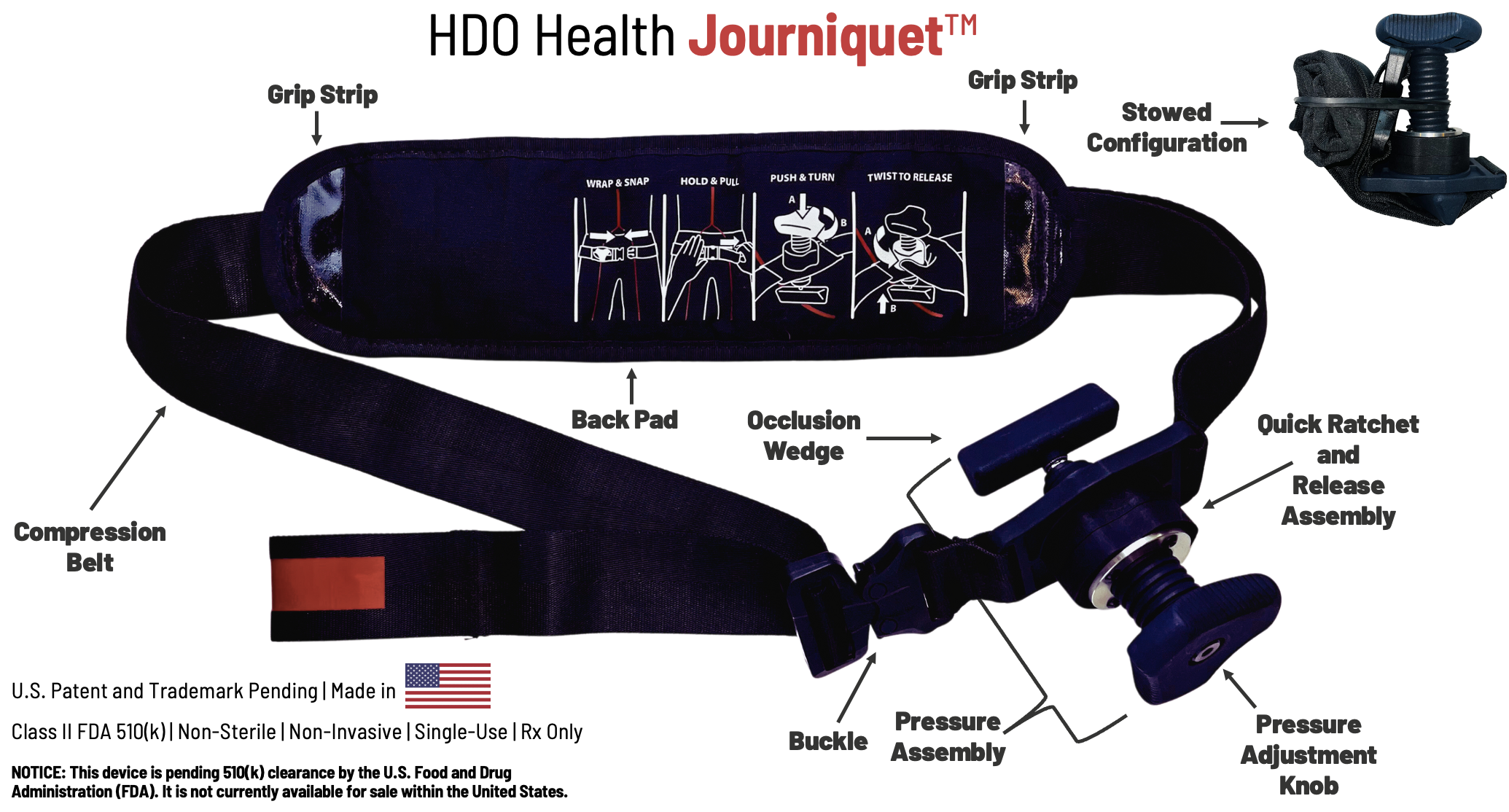
Tourniquet jonctionnel: Un nouveau venu, le Journiquet
03/06/2025
Drone et transfusion à l'avant
Massive transfusion on the combat field using autonomous drones: A case report
Türkoğlu B et Al . Transfusion. 2025 May 10. doi: 10.1111/trf.18279.
----------------------------------
Le transport de dérivés sanguins par drone est effectif et évalué depuis plusieurs années (1) notamment au Rwanda (2). Le cas rapporté est celui d'un blessé par IED. Le transport vers un role 1 est certainement d'un grand intérêt (4), cependant l'utilisation à grande échelle lors de conflit à haute intensité est certainement un sujet d'intérêt mais très probablement avec des objectifs plus larges et différents (5, 6)
Pour aller plus loin sur l'emploi des drones en médecine préhospitalière (7)
----------------------------------
Background:
Hemorrhage is a leading cause of preventable deaths in combat settings, requiring rapid blood transfusion to improve survival. While the feasibility of drone-assisted medical logistics has been explored, its practical application in battlefield transfusion remains unreported.
Study design and methods:
This case report describes the first documented massive transfusion in a combat environment using an autonomous unmanned aerial vehicle (UAV). A 27-year-old soldier sustained severe lower limb injuries from an improvised explosive device explosion and developed hemorrhagic shock in a remote battlefield location where adverse weather conditions prevented immediate evacuation. In response, 6 units of whole blood and 2 units of fresh frozen plasma were transported via UAV, enabling prehospital transfusion under telemedicine supervision.
Results:
The UAV successfully delivered blood products on two consecutive flights, ensuring early resuscitation and stabilization despite delayed evacuation. The casualty's vital signs improved post-transfusion, and surgical interventions were successfully performed following hospital admission. This case demonstrates the feasibility of drone-assisted blood product transport in prolonged field care scenarios.
Discussion:
To our knowledge, this is the first reported case of a combat casualty receiving a UAV-facilitated massive transfusion in an operational setting. While UAV-based medical logistics offers a rapid and reliable alternative for remote trauma care, challenges remain in regulatory implementation, blood product stability, and integration into standardized protocols. Further controlled studies are needed to optimize UAV-assisted transfusion strategies and their potential expansion into civilian and disaster response settings.
| Tags : drone
01/05/2025
Tourniquet Abdominal: Probablement très utile.
Successful Management of Battlefield Traumatic Cardiac Arrest Using the Abdominal Aortic and Junctional Tourniquet (AAJT): A Case Series
Androshchuk D et Al. Case Reports J Spec Oper Med. 2025 Apr 4;25(1):65-69.
The Russo-Ukrainian war's prolonged warfare, resource constraints, and extended evacuation times have forced significant adaptations in Ukraine's medical system - including technological advancements and strategic resource placement. This study examined if the Abdominal Aortic and Junctional Tourniquet - Stabilized (AAJT-S) could manage traumatic cardiac arrest (TCA) at forward surgical stabilization sites (FSSS) as an adjunct to damage control surgery. Six patients in severe hypovolemic shock presented at an FSSS during fighting in Bakhmut (July 2022) and Slovyansk (May 2023). Following TCA due to exsanguination, the AAJT-S was applied 2cm below the umbilicus. Cardiopulmonary resuscitation (CPR) and transfusion (blood and/or plasma) were initiated. All six patients were resuscitated. None required vasopressor support post-resuscitation. Five survived to the next level of care. One died awaiting evacuation, and another of wounds after 10 days. Four survived to discharge. Three were followed and neurologically intact, and no death records matched the fourth's name and date of birth at 18 months. Follow-up was limited, but one patient was neurologically intact at one year. The AAJT-S effectively resuscitated TCA patients. It increased mean arterial pressure, focused resuscitative efforts on the upper torso, simplified care, and preserved crucial field resources. An alternative to traditional emergency thoracotomy, AAJT-S could replace or complement resuscitative endovascular balloon occlusion of the aorta in pre-hospital settings, given its ease of application by combat medics. AAJT-S, alongside blood transfusion and CPR, achieved 100% success in return of spontaneous circulation and effectively managed TCA in a wartime FSSS.
23/09/2024
Garrot automatique: En préhospitalier ?
Le garrot XMETIX 7

Les garrots automatiques sont quotidiennement utilisés dans les blocs opératoires, essentiellement des garrots alimentés par de petits dispositifs de compression électrique parfaitement régulés. Ce garrot miniaturisé fonctionne donc sur batterie avec une autonomie donnée pour 5 heures et générant une pression d'occlusion automatiquement régulée pouvant aller jusqu'à 300 mmHg .
C'est un garrot mécanique qui va mettre en tension une sangle grâce à un micromoteur électrique.
On ne trouve pas pour l'instant d'analyse indépendante sur la performance de ce tourniquet donc le concept est intéressant. On peut quand même se poser des questions sur la réalité de son autonomie et la qualité de la régulation automatique lors d'une MEDEVAC terrestre ou héliportée. Le niveau maximum de la pression d'occlusion parait en effet un peu bas pour une application sur un treillis.
14/12/2023
Des gants non stériles pour le parage des plaies ?
Sterile vs Nonsterile Gloves for the Repair of Wounds and Lacerations: A Systematic Review and Meta-Analysis
Haman Y et Al.JAMA Surg. 2023 Dec 13. doi: 10.1001/jamasurg.2023.5814.
Le recours au port de gants stériles n'est pas utile lors du parage de plaies en condition d'isolement et de recomplètement difficile.

Dispositifs supraglottiques:Pléthore ?
Review of Commercially Available Supraglottic Airway Devices for Prehospital Combat Casualty Care
01/12/2023
Histoire de FiO2
Maximizing Oxygen Delivery in Portable Ventilators.
Blakeman T. et Al. Mil Med. 2022 Feb 4:usab561. doi: 10.1093/milmed/usab561
Background:
Military transport of critically ill/injured patients requires judicious use of resources. Maintaining oxygen (O2) supplies for mechanically ventilated is crucial. O2 cylinders are difficult to transport due to the size and weight and add the risk of fire in an aircraft. The proposed solution is the use of a portable oxygen concentrator (POC) to supply O2 for mechanical ventilation. As long as power is available, a POC can provide an endless supply of O2. Anecdotal evidence suggests that as little as 3 L/min of O2 could manage as many as 2/3 of the mechanically ventilated military aeromedical transport patients.
Materials and methods:
We evaluated two each of the AutoMedx SAVe II, Hamilton T1, Zoll 731, and Ventec VOCSN portable ventilators over a range of settings paired with 1 and 2 Caire SAROS POCs at ground level and simulated altitudes of 8,000 feet, 16,000 feet, and 22,000 feet. The Ventec VOCSN has the capability of utilizing an internal O2 concentrator that uses pulsed dose technology, which was also evaluated. Each ventilator was attached to a Michigan Instruments Training Test Lung. Output from the POC was bled into each ventilator via the mechanism provided with each device. A Fleisch pneumotach was used to measure delivered tidal volume (VT), and a fast-response O2 analyzer was used to measure FiO2 within the simulated lung. Ventilator parameters and FiO2 were continuously measured and recorded at each altitude. One-way analysis of variance was used to determine statistically significant differences (P < .05) in FiO2 between ventilators and among the same ventilator model at each testing condition.
Results:
Delivered FiO2 varied widely between ventilator models and between devices of the same model with some testing conditions. Differences in FiO2 between ventilators at a majority (98.5%) of testing conditions were statistically significant (P < .05) but not all were clinically important. The Zoll 731 delivered the highest and most consistent FiO2 over all ventilator/POC settings at all altitudes. Differences in FiO2 at a given ventilator/POC setting from ground level to 22,000 feet were not clinically important (<5%) with this device. The VOCSN utilizing the integrated internal O2 concentrator delivered the lowest FiO2 across all ventilator/POC settings and altitudes. Due to the inability of the SAVe II to operate at the minute ventilation and positive end expiratory pressure (PEEP) settings required by the testing protocol, the device was only tested at one ventilator setting. The Hamilton T1 failed to operate appropriately at the highest VT/PEEP setting at 16,000 feet and all but one ventilator setting at 22,000 feet. The delivered FiO2 was not included in the analysis for those ventilator settings. The highest delivered FiO2 was 0.85 ± 0.05 at the 250 mL VT setting using 2 POCs (P < .0001) at ground level with the Zoll 731.
Conclusions:
Oxygen delivery utilizing POCs is dependent upon multiple factors including ventilator operating characteristics, ventilator settings, altitude, and the use of pulsed dose or continuous flow O2. Careful patient selection would be paramount to provide safe mechanical ventilation using this method of O2 delivery.
09/11/2023
Couverture de survie: Pas que pour l'hypothermie !
High Tensile Strength Increases Multifunctional Use of Survival Blankets in Wilderness Emergencies
Markus I et Al.Wilderness Environ Med. 2020 Jun;31(2):215-219
Introduction:
Metallic survival blankets are multifunctional medical devices frequently used to provide
thermal insulation in sport and leisure activities and in emergency care. To assess further properties of survival blankets, we investigated their breaking strength under laboratory conditions.
Methods:
An experimental study was performed with 2 commercially available survival blankets used
by emergency medical services. Breaking strength measured with a tensile testing machine was determined consecutively with 10 tests conducted per brand.
Results;
Breaking strength (mean±SD) of the tested brands was 3.8±0.4 kN, (range: 2.8-4.1 kN) and
4.0±0.5 kN (range: 3.2-4.6 kN). When using the windlass of a commercially available tourniquet for the longitudinally folded survival blanket, the windlass bent at a force of 0.8 kN; when using a carabiner, the force exceeded 3.6 kN before failure occurred in both blanket brands.
Conclusions:
Both brands of survival blankets show impressive tensile strength, indicating that they have the potential to serve as temporary pelvic binders or even as makeshift tourniquets when urgent bleeding control is needed
Pour aller plus loin:
1. Emploi dans les plaies thoraciques: https://www.annalsthoracicsurgery.org/article/S0003-4975(2...
2. Garrot (mais -moins efficace qu'un tourniquet): https://www.sciencedirect.com/science/article/pii/S1080603223000431
18/04/2023
Exsufflation: Attention , éviter le péricarde !
Risk of Harm in Needle Decompression for Tension Pneumothorax
Thompson P et Al. J Spec Oper Med. 2023 Apr 10;ZU1D-3DL9. doi: 10.55460/ZU1D-3DL9
-------------------------------------
Les recommendations américaines sont parfois un peu hâtives. C'est le cas de celles portant sur la longueur préconisée du cathéter d'exsufflation.
-------------------------------------
Comme quoi le "suivisme" évoqué récemment par un homme politique françias n'est pas toujours bon.
Introduction: Tension pneumothorax (TPX) is the third most common cause of preventable death in trauma. Needle decompression at the fifth intercostal space at anterior axillary line (5th ICS AAL) is recommended by Tactical Combat Casualty Care (TCCC) with an 83-mm needle catheter unit (NCU). We sought to determine the risk of cardiac injury at this site.
Methods: Institutional data sets from two trauma centers were queried for 200 patients with CT chest. Inclusion criteria include body mass index of =30 and age 18-40 years. Measurements were taken at 2nd ICS mid clavicular line (MCL), 5th ICS AAL and distance from the skin to pericardium at 5th ICS AAL. Groups were compared using Mann-Whitney U and chi-squared tests.
Results: The median age was 27 years with median BMI of 23.8 kg/m2. The cohort was 69.5% male. Mean chest wall thickness at 2nd ICS MCL was 38-mm (interquartile range (IQR) 32-45). At 5th ICS AAL, the median chest wall thickness was 30-mm (IQR 21-40) and the distance from skin to pericardium was 66-mm (IQR 54-79).
Conclusion: The distance from skin to pericardium for 75% of patients falls within the length of the recommended needle catheter unit (83-mm). The current TCCC recommendation to "hub" the 83mm needle catheter unit has potential risk of cardiac injury.
| Tags : exsufflation
28/01/2023
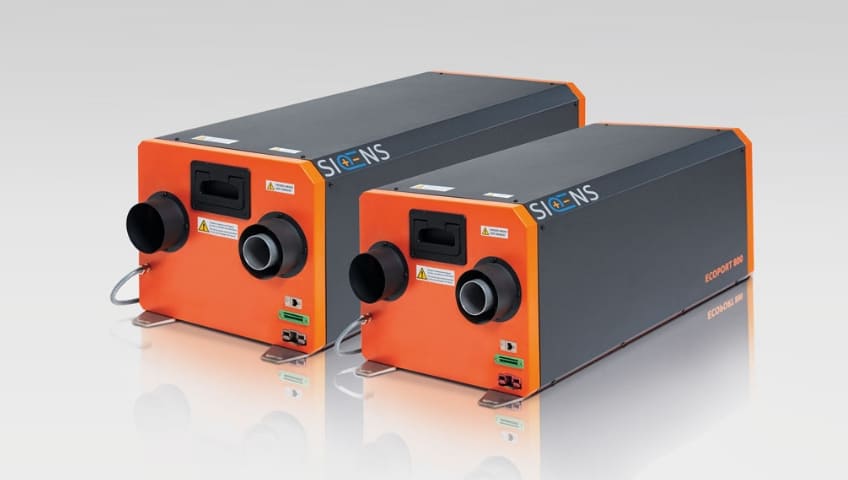
GE: La pile à combustible, l'avenir

| Tags : énergie
25/11/2022
Point sur les matériaux hémostatiques
Emerging hemostatic materials for non-compressible hemorrhage control
Dong R. et Al. ,Natl Sci Rev. 2022 Aug 17;9(11):nwac162.
Non-compressible hemorrhage control is a big challenge in both civilian life and the battlefield, causing a majority of deaths among all traumatic injury mortalities. Unexpected non-compressible bleeding not only happens in pre-hospital situations but also leads to a high risk of death during surgical processes throughout in-hospital treatment. Hemostatic materials for pre-hospital treatment or surgical procedures for non-compressible hemorrhage control have drawn more and more attention in recent years and several commercialized products have been developed. However, these products have all shown non-negligible limitations and researchers are focusing on developing more effective hemostatic materials for non-compressible hemorrhage control. Different hemostatic strategies (physical, chemical and biological) have been proposed and different forms (sponges/foams, sealants/adhesives, microparticles/powders and platelet mimics) of hemostatic materials have been developed based on these strategies. A summary of the requirements, state-of-the-art studies and commercial products of non-compressible hemorrhage-control materials is provided in this review with particular attention on the advantages and limitations of their emerging forms, to give a clear understanding of the progress that has been made in this area and the promising directions for future generations.
Couverture de survie: Pas que pour l'hypothermie
Rescue blankets as multifunctional rescue equipment in alpine and wilderness emergencies: a commentary
Wallner B et Al. Scand J Trauma Resusc Emerg Med 30, 17 (2022)
Emergency applications of rescue blankets go far beyond protection from hypothermia. In this review alternative applicabilities of these remarkable multifunctional tools were highlighted. Newly fabricated rescue blankets prove impressive robustness. The high tensile strength along with its low weight enable further applications, e.g. immobilization of injured extremities, splinting, wound dressing, a makeshift chest seal in sucking chest wounds, amongst others. Furthermore, the foil can be used as a vapour barrier, as eye protection and it can even be used to construct a stopgap bivouac sack, as alternative tool for transportation in the remote area and a wind shield or a water reservoir in the wilderness. During search-and-rescue missions the light reflection from the gold surface enhances visibility and increases the chance to be found. Rescue blankets are essential parts of first aid kits and backpacks in alpine and wilderness environment with multifunctional applicabilities. In this commentary to a review we want to evaluate the numerous applicabilities of rescue blankets in the treatment of emergencies by wilderness medicine and pre-hospital EMS.
12/11/2022
Histoire d'effets de protection
Warfighter Personal Protective Equipment and Combat Wounds
Background:
Personal protective equipment (PPE) is crucial to force protection and preservation. Innovation in PPE has shifted injury patterns, with protected body regions accounting for decreased proportions of battlefield trauma relative to unprotected regions. Little is known regarding the PPE in use by warfighters at the time of injury.
Methods:
We queried the Prehospital Trauma Registry (PHTR) for all encounters from 2003-2019. This is a sub-analysis of casualties with documented PPE at the time of medical encounter. When possible, encounters were linked to the Department of Defense Trauma Registry (DODTR) for outcome data. Serious injuries are defined as an abbreviated injury scale of 3 or greater.
Results:
Of 1,357 total casualty encounters in the PHTR, 83 were US military with documented PPE. We link 62 of this cohort to DODTR. The median composite Injury Severity Score (ISS) was 6 (Interquartile range (IQR) 4-21), and 11 casualties (18%) had an ISS >25. The most seriously injured body regions were the extremities (21%), head/neck (16%), thorax (16%), and abdomen (10%). PPE worn at time of injury included helmet (91%), eye protection (73%), front (75%) and rear plates (77%), left/right plates (65%), tactical vest (46%), groin protection (12%), neck protection (6%), pelvic shield (3%), and deltoid protection (3%).
Conclusion:
Our data set demonstrates that the extremities were the most commonly injured body region, followed by head/neck, and thorax. PPE designed for the extremities and neck are also among the least commonly worn protective equipment.
30/07/2022
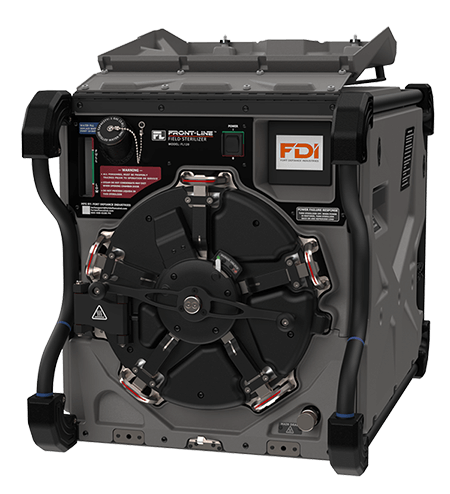
Stérilisateur de l'avant ?
| Tags : stérilisation
05/07/2022
Dispositifs supraglottiques:Pléthore ?
Review of Commercially Available Supraglottic Airway Devices for Prehospital Combat Casualty Care